Adaptive Learning & Personalized Quizzes
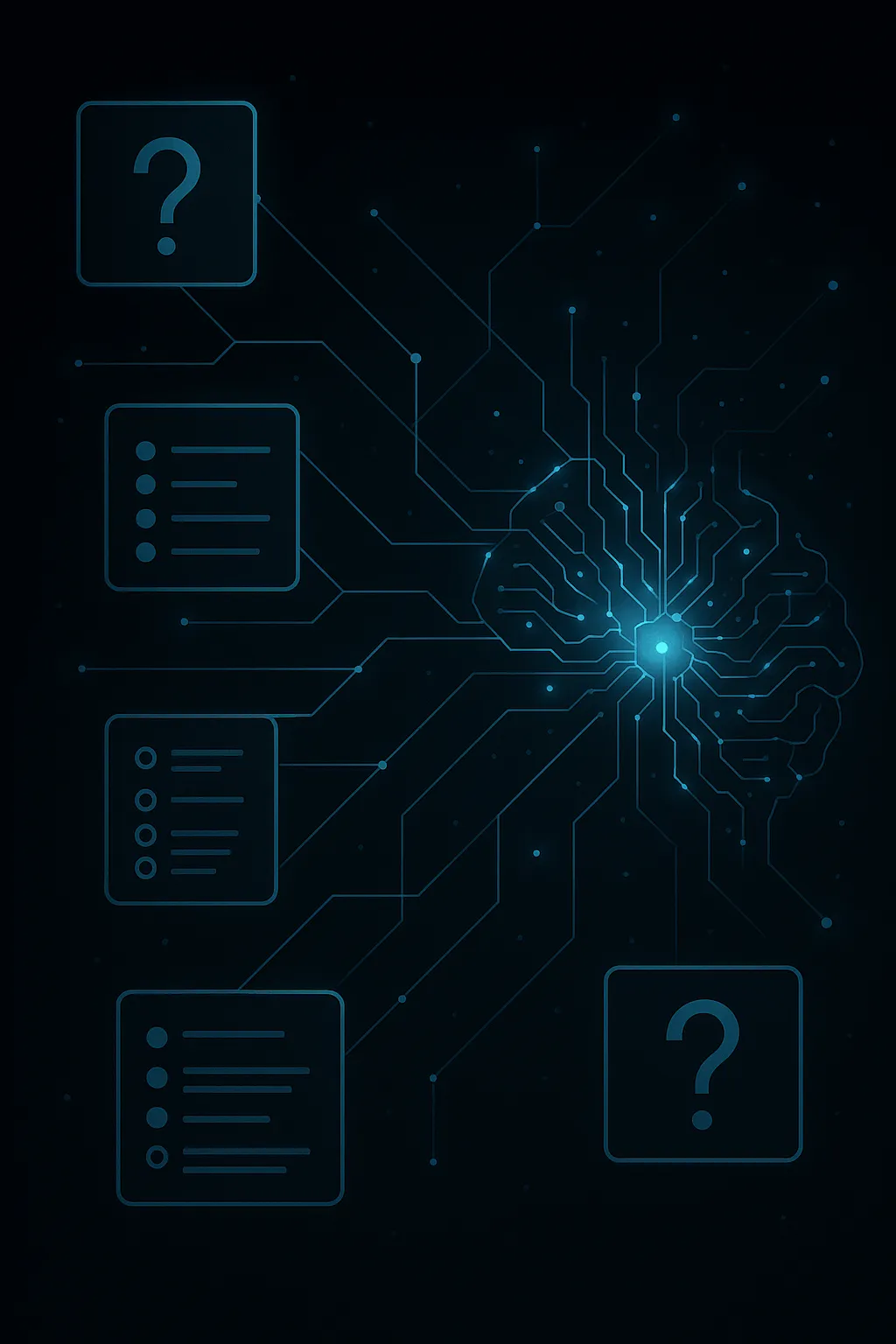
Adaptive quiz platforms adjust difficulty based on learner responses. They track performance, identify strengths and weaknesses, and adapt question selection accordingly. Classification, regression and clustering models categorise responses and estimate mastery, enabling real‑time adjustments tailored to each individual.
Personalised sequencing algorithms use reinforcement learning to design paths that maximise learning gains. Models predict the probability of correct answers and select items that challenge but not overwhelm. Bayesian knowledge tracing and item response theory measure skill acquisition over time, guiding the choice of questions.
These systems integrate with learning management platforms to provide immediate feedback and recommend resources. They can adapt to different learning styles, pace and goals, making assessments more engaging and effective. Data analytics and clustering group similar learners for group assignments or peer tutoring, encouraging collaboration.
Concerns include reinforcing existing gaps if models misdiagnose skills. Over‑personalisation may limit exposure to new topics. Transparent algorithms, diverse training data and human oversight help ensure adaptive quizzes benefit all learners without amplifying inequities.
Back to articles